

Unique Features Of Drakelow Tunnels
Drakelow Tunnels Museum offers a one-of-a-kind underground setting steeped in WW2 and Cold War history. Its raw, untouched look – complete with original features like blast doors, period graffiti, and industrial chambers – makes it a prime location for film shoots, music videos, and realistic training exercises. The scale, authenticity, and eerie ambience create an unforgettable backdrop that can’t be replicated anywhere else in the UK.
The Hidden World Above
Drakelow isn’t just fascinating underground – the land above the tunnels is rich in history and natural beauty. The site features rare rock houses that pre-date the tunnels, a striking Iron Age hillfort, mixed woodland teeming with wildlife, Rockhouses dug into the hillside and even a mysterious obelisk overlooking the landscape. It’s a place where thousands of years of history meet in one truly unique location.
Emergency Services Training
Drakelow Tunnels has been used by various emergency services for realistic training exercises in challenging, low-light environments. From sniffer dog and police training, to fire service search and rescue and HART (Hazardous Area Response Team) training, the site offers a unique and adaptable setting ideal for specialist response preparation.
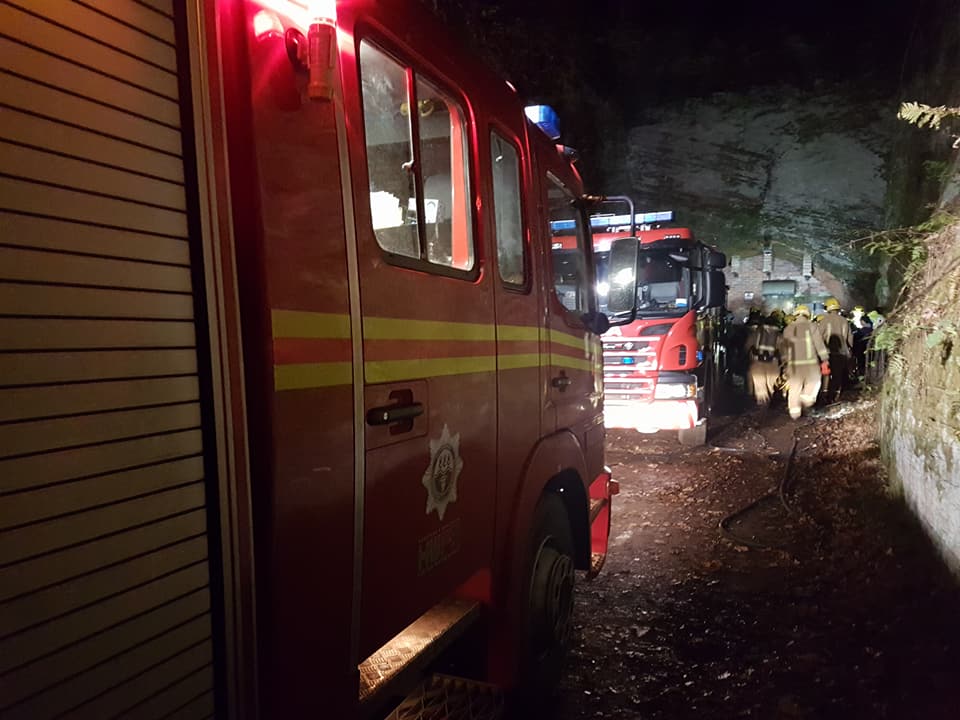
Fire Service – Search and Rescue Training
Rover No. 1D Shadow Factory
Drakelow Tunnels began as a secret WW2 shadow factory for the Rover car company. While most of the original site above ground is now gone or repurposed, authentic remnants remain within the tunnels—perfect for filming scenes with real industrial history and atmosphere.
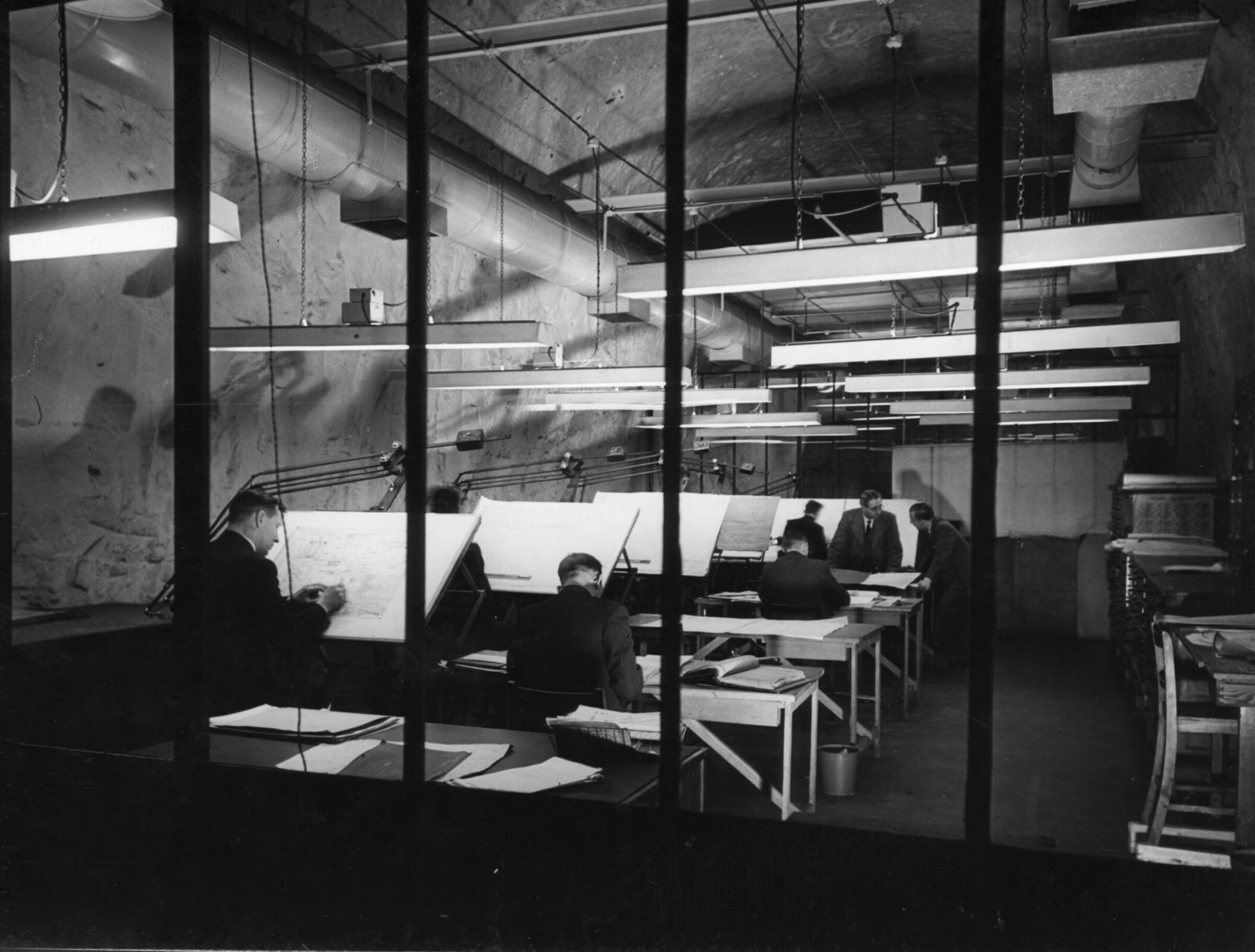
Regional Government Headquarters 9.2
During the Cold War, part of Drakelow was transformed into a top-secret Regional Government Headquarters, designed to keep the country running after a nuclear attack. Today, original features like blast doors, comms rooms, and dormitories remain, offering an authentic Cold War setting ideal for filming and immersive storytelling.
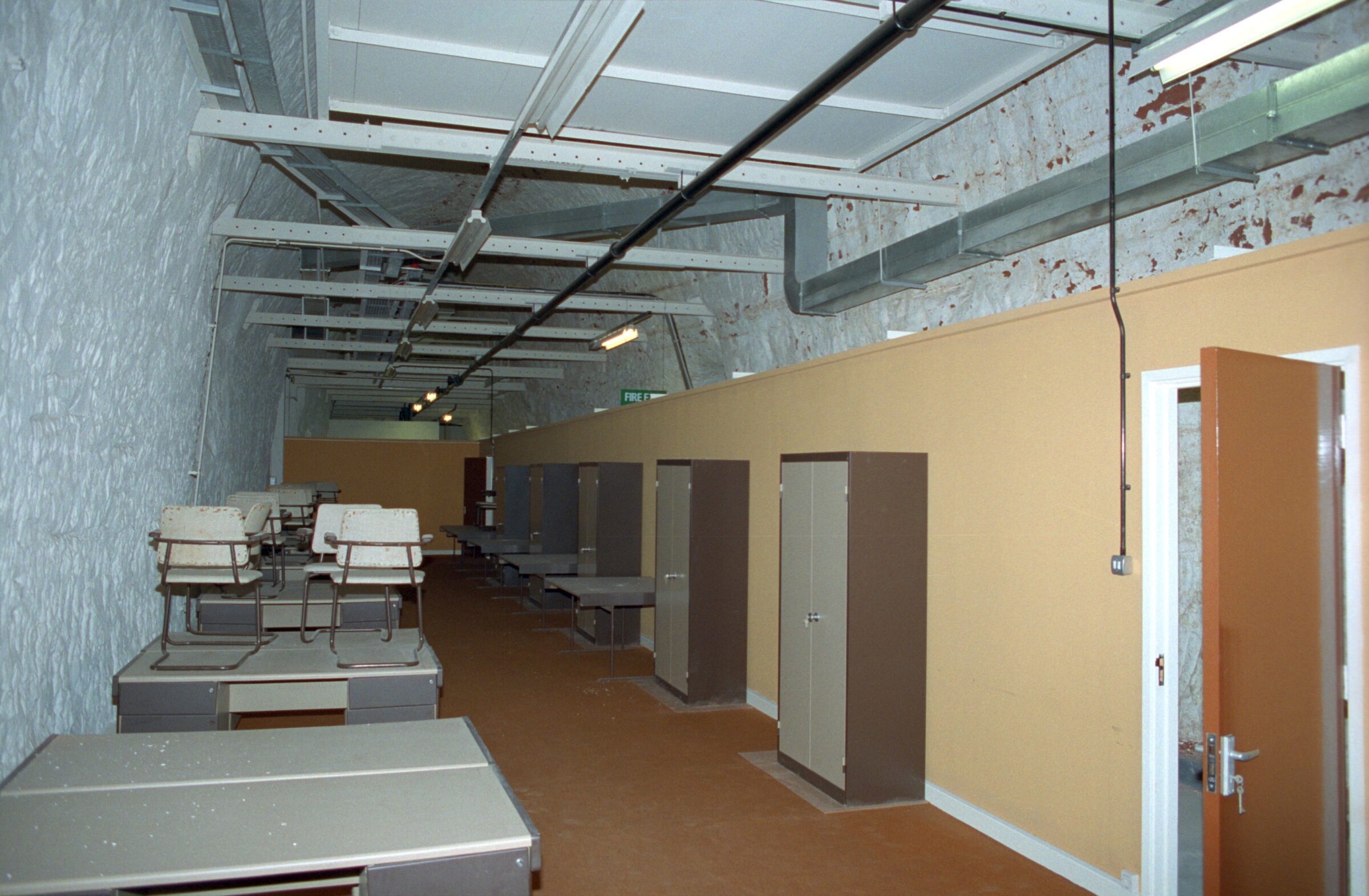
Former offices inside the RGHQ taken in 1994 – Photo courtesy of Nick Catford